The Wet Plate Process
A Photograph Made By Hand
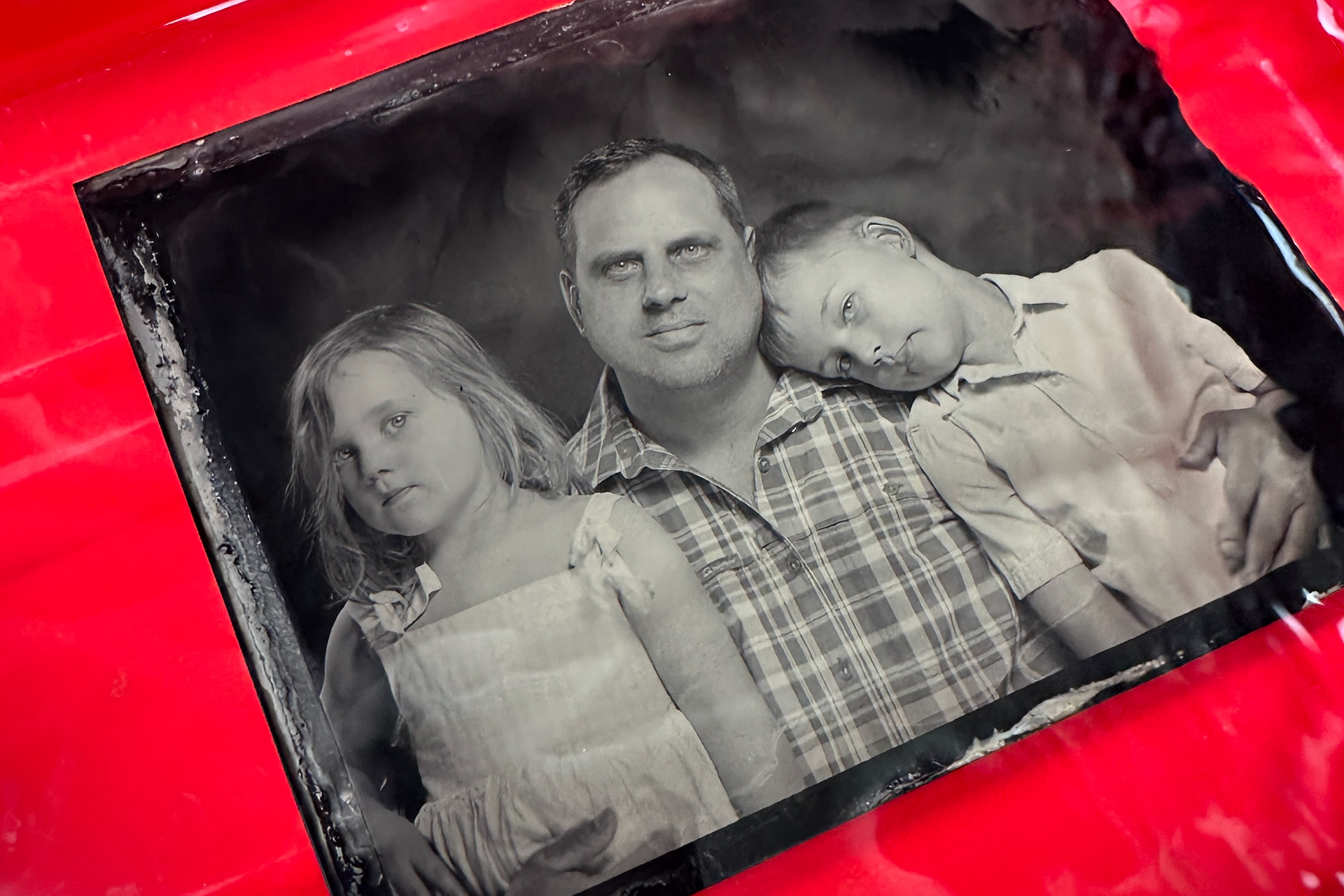
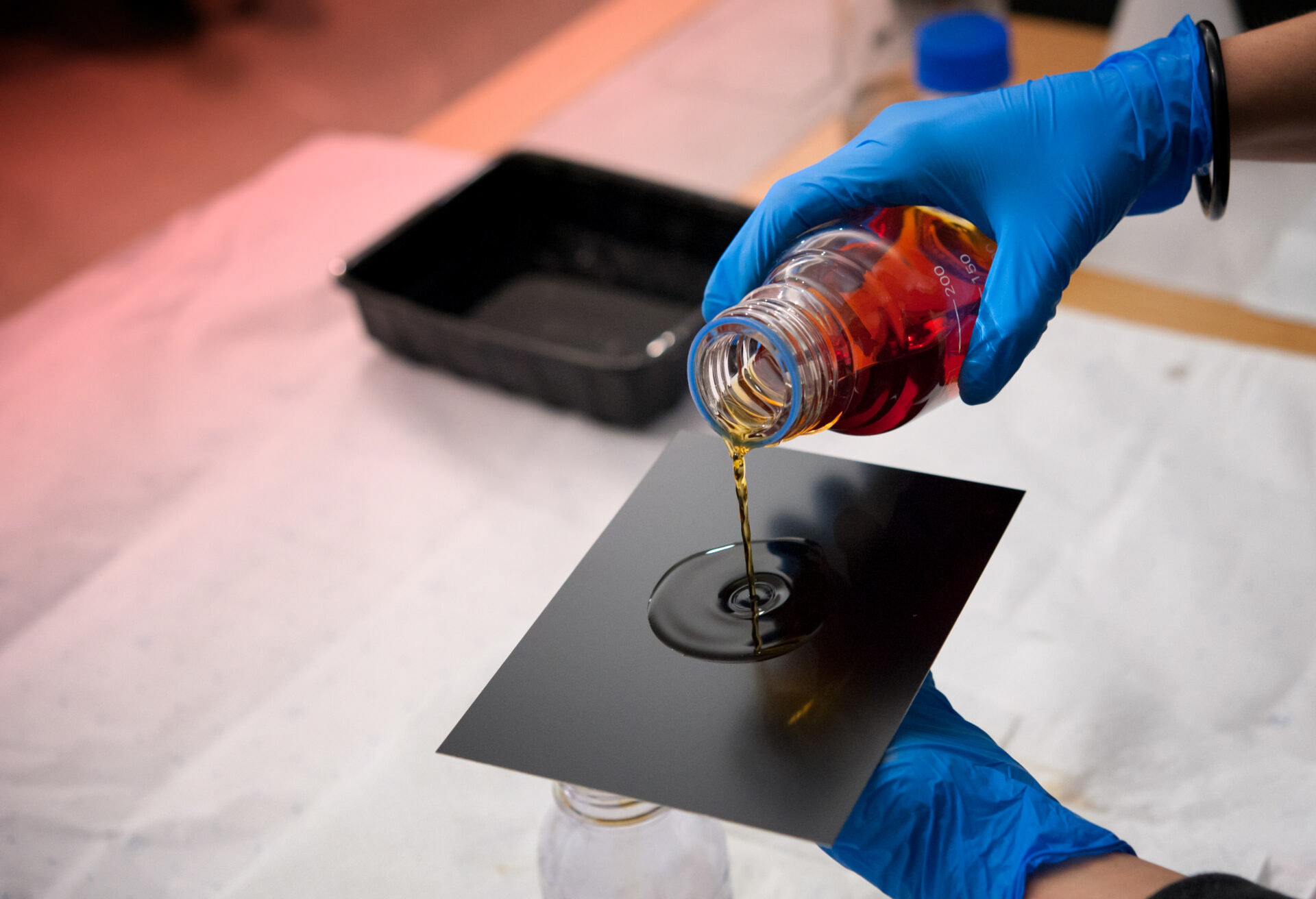
Every tintype begins as a sheet of blackened metal coated by hand with liquid collodion, a syrup-like mixture first used by photographers in the 1850’s. While still wet, the plate is sensitized in silver nitrate, loaded into the camera, exposed, and developed immediately on location.
Unlike modern photography, there is no negative, no digital file, and no reproduction. The finished plate itself is the original photograph — a singular object made through chemistry, light, metal, and time.
Each image carries the subtle marks of the process: silver blooms, pour lines, softened edges, and imperfections unique to hand-made work. No two plates are ever exactly alike.
Tintypes & The Frontier
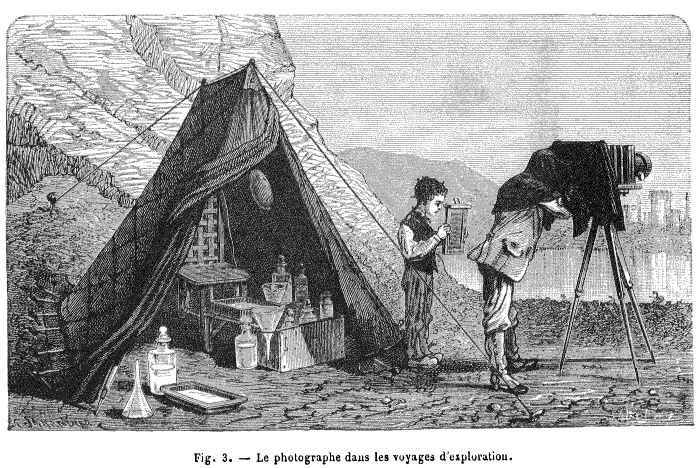
Tintypes, also known as ferrotypes, became one of the most widely used photographic processes of the nineteenth century. Durable, inexpensive, and relatively quick to produce, they were carried by soldiers through the Civil War, exchanged between families, and made by traveling photographers throughout North America.
Unlike fragile glass photographs, tintypes could survive travel in pockets, wagons, and saddlebags. Their resilience made them the photograph of ordinary people — workers, families, travelers, musicians, laborers, and drifters.
Today, surviving tintypes often feel startlingly immediate. The silver image sits directly on blackened metal, giving the portraits a depth and physicality difficult to replicate through modern means.
Made While Wet
The process is called “wet plate” because the photograph must be exposed and developed before the plate dries. From the moment the chemistry is poured, there are only a few minutes to complete the image.
This requires the entire process to happen in real time:
the plate is coated, sensitized, exposed, developed, fixed, washed, and varnished entirely by hand.
the plate is coated, sensitized, exposed, developed, fixed, washed, and varnished entirely by hand.
Because of this, wet plate photography exists somewhere between photography and printmaking — each portrait is a physical craft object rather than a disposable image.